Why Skeptics Become the Shield Method’s Strongest Advocates
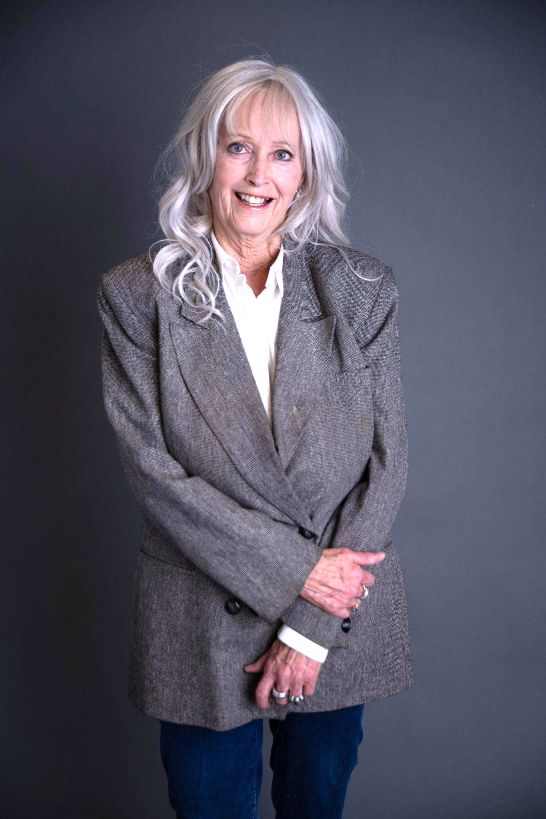
Some of the most persuasive endorsements of the Shield Method come from people who expected it to fail. According to Dr. Deborah Hill, skepticism is not a barrier—it is often the starting point.
Many participants arrived after years of disappointment with diets, programs, and professional interventions. They had been promised results before and were prepared to challenge anything that sounded too easy. One woman openly admitted she joined an early test group ready to expose the method as a scam.
Within weeks, her perspective had changed completely.
The turning point was not theory or explanation. It was experience. The first time the Shield activated during a real-world food situation—when she effortlessly declined something she normally could not resist—her doubt evaporated. She later wrote that the method had changed her life and, for the first time, she believed the results would last.
Dr. Hill says this reaction is common among skeptics because they tend to test the method aggressively. They put it under pressure in situations where past programs failed. When it works anyway, the result is profound trust.
The Shield Method functions differently from approaches that rely on motivation or belief. It does not require positive thinking or emotional buy-in. It works by redirecting an automatic neurological process that already governs safe, precise behavior in daily life.
Once engaged, the mental “shield” interrupts overeating before it becomes a struggle. There is no negotiation, no craving spiral, and no guilt afterward.
This reliability is what converts skeptics into advocates. Instead of needing constant reassurance, they see consistent evidence in their own behavior. Success becomes repeatable, even under stress.
Medical professionals who tested the method reported similar reactions. Some entered the process wary and critical. All certified that it was the most reliable and enjoyable weight-loss approach they had personally experienced. For individuals who have learned to distrust promises, the Shield Method offers something rare: proof through experience rather than persuasion.